An independent data and AI studio in Portland, Maine
Custom data and AI tools you will understand and own.
Built for your messy problem, the one big software does not cover.
Katahdin Logic designs, builds, and teaches. Each project is made for one organization
and fitted to how it already works. The careful work happens before launch, and it
happens with you: we define what the tool should and should not do, try it on your real
cases, adjust it until it is right, and plan how it will be maintained and upgraded over
time. At launch, your team understands how it works and how it will evolve, and the code
and the data are yours.
Founded by Allison Dzubak, Ph.D., a former Bowdoin College
faculty member with a doctorate in computational chemistry.
Design
Before anything is built, we work out what a tool should do, what it would cost to
run, and what you would get for the money. A design can be the whole job or the
first step toward a build.
Example engagement
You have seen ChatGPT or Claude handle your task in a chat window. Running it
automatically at scale is priced differently, and prices vary more than tenfold
between models. We test a set of your real cases on several models, score every
result against criteria you approve, and project each one's cost at your volume.
You see what you gain and give up at each price, and can make an informed
decision based on the results.
Build
Small, custom tools fitted to how your organization already works. Each one takes a
job your team does by hand, or cannot do at all, and makes it routine. You own the
code and the data, with no license fee and no per-seat pricing.
Example engagement
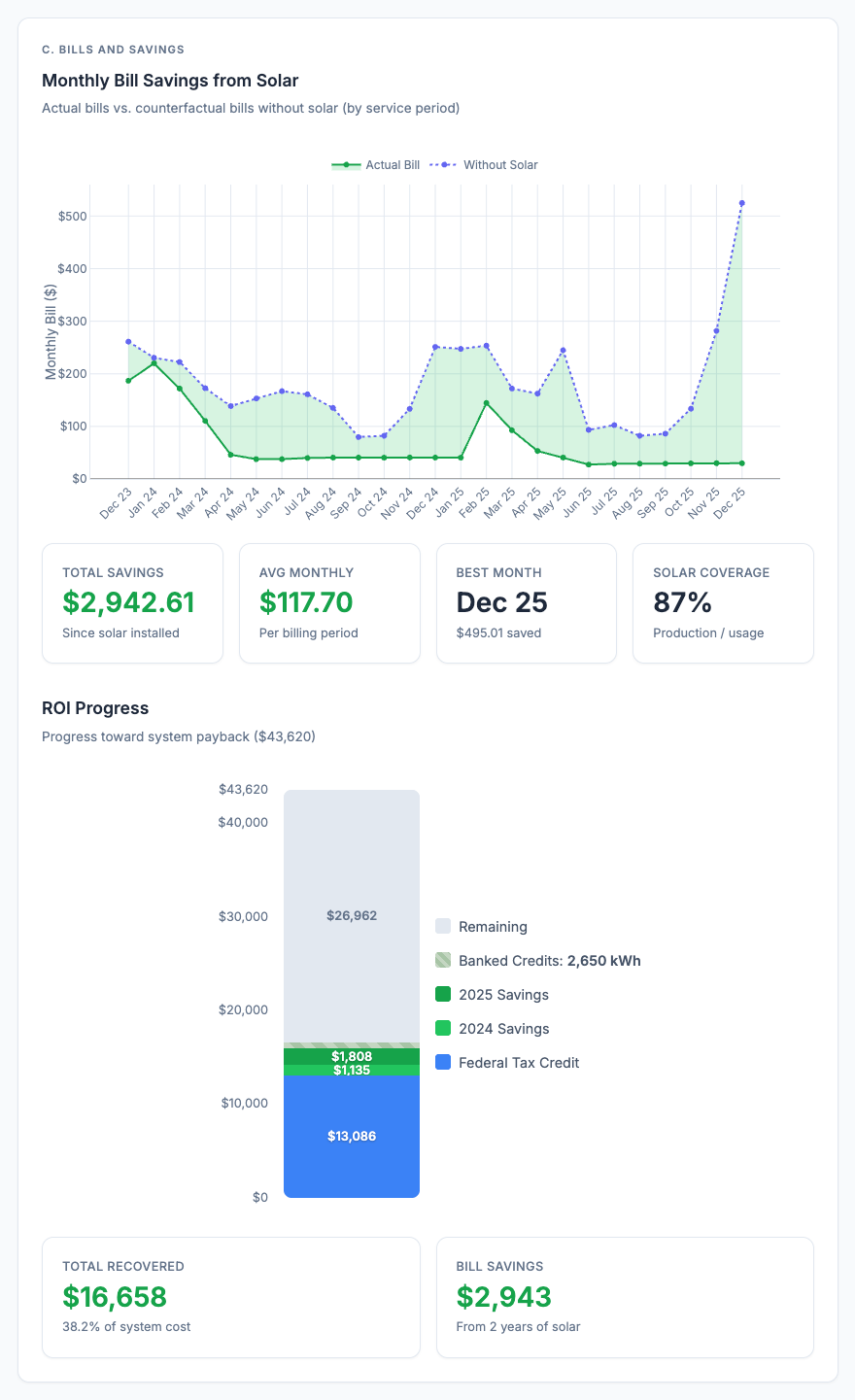
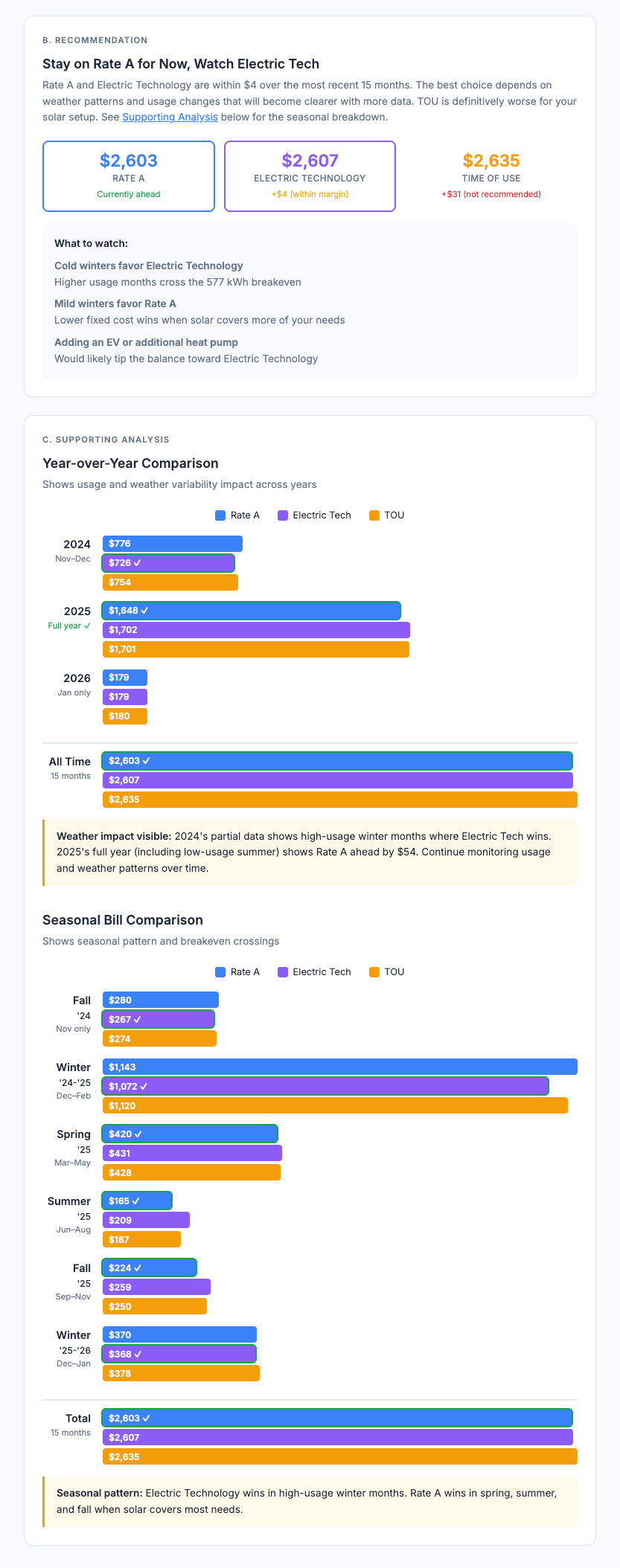
Two of your systems each hold half of an answer, and getting it takes an
afternoon of spreadsheets. We build a dashboard that pulls from both
automatically and applies the rules behind your bills or reports. Every figure
on it traces back to its source record and the rule that produced it, so when
someone questions a number, you can show exactly where it came from.
Teach
Hands-on trainings during and after a build, planned with Universal Design for
Learning practices by a former college professor. Every tool comes with detailed
documentation written for the people who use it.
Example engagement
Midway through a build, your team tries the tool on their own real tasks while
we collect feedback that shapes the next round of the design. After launch,
each role gets a session built around its own work and a step-by-step guide to
keep. Everyone, technical or not, is glad to use it, because they have already
tried it, asked for changes, and seen it work the way they wanted.